Food Waste: The Hidden Crisis Behind the Global Food Emergency
When people think about the global food crisis, they imagine droughts, wars, crop failures, and price spikes. All of those are real. But there is another side to the story: we throw away staggering amounts of edible food. While hundreds of millions of people face hunger or food shortages, perfectly good food is left in fields, rejected in warehouses, scraped off plates, and dumped into landfills.
Food waste is not just an individual bad habit; it is built into how we grow, transport, market, and consume food. From farm to fork, losses pile up. The result is a quiet disaster that drains water, energy, and soil fertility, fuels climate change, and makes it harder for families everywhere to afford a decent meal.
The good news is that food waste is one part of the food crisis we can actually control. We may not be able to stop every storm or war, but we can choose not to toss edible food into the trash. And with smart design—like water-efficient Crop Circle Farms & Gardens, long-term agroforestry from TreePlantation.com, and community projects led by GrowingToGive.org— we can turn waste streams into resilience instead of methane.
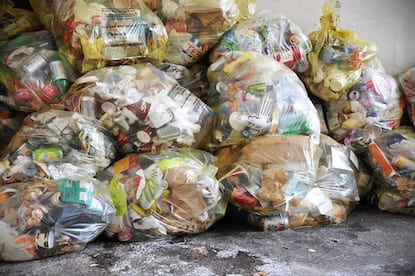
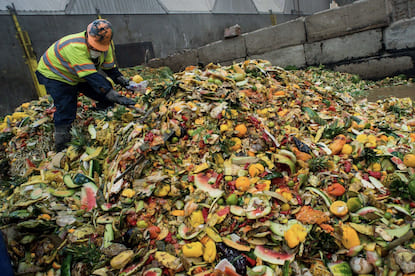

What Do We Mean by Food Waste and Food Loss?
Food loss usually refers to edible food that is lost early in the supply chain—on farms, in storage, and during processing—because of pests, poor storage, lack of cooling, or bottlenecks. Food waste often refers to edible food thrown away by retailers, restaurants, institutions, and households.
In practice, people use “food waste” to cover the whole journey. The key idea is simple: food waste is food that could have fed someone, but never did.
- Tomatoes plowed under because prices dropped.
- Fruit rejected for being the “wrong” shape or size.
- Buffet trays piled high at closing time and then dumped.
- Leftovers forgotten at the back of a refrigerator.
At every step, food waste is also wasted land, water, energy, and labor. In a hungry world, that is more than an efficiency problem—it is a moral problem.
Why Food Waste Matters for Hunger, Climate & Water
Food waste sits at the crossroads of inequality, climate change, and water stress.
- Hunger and food insecurity: Wasting food does not automatically mean hungry people would have been fed—but it does mean that we are overusing resources to produce food that never nourishes anyone. That pushes up prices and tightens supplies for those already on the edge.
- Climate change: When food decomposes in landfills without oxygen, it releases methane—a greenhouse gas much more powerful than carbon dioxide. That means food waste is a significant contributor to climate change, which in turn drives more food refugees and crop failures.
- Water and soil: Irrigation water, rainfall, fertilizer, and soil health are all tied up in food that never gets eaten. In water-scarce regions, throwing away food is like tipping a bucket of precious freshwater into the trash.
Reducing food waste is not a small lifestyle tweak; it is one of the fastest ways to cut pressure on the entire food system and build real food survival capacity in a changing world.
Where and Why Food Waste Happens Along the Chain
Food waste looks different in different places. In lower-income regions, more food is lost early—on farms and in storage—because of lack of infrastructure. In wealthier regions, more is wasted at retail and in households.
On the Farm
Farmers may leave crops unharvested when prices are too low, labor is unavailable, or pests and weather make harvesting uneconomical. Cosmetic standards can also force farmers to discard perfectly edible produce that doesn’t meet size or shape norms.
Water-smart, high-yield systems like Crop Circle raised gardens and spiral layouts can help smallholders match planting to real demand, reducing gluts that end up being plowed under. Because these systems use up to 80–90% less water, they also waste fewer resources when surpluses occur.
Storage, Cooling & Transport
In many regions, lack of cold storage, sealed containers, or reliable transport means fruits, vegetables, fish and dairy spoil before they reach markets. Grain can be lost to insects, mold, and rodents.
Investments in simple silos, shade, cooling, and solar-powered refrigeration can dramatically cut these losses. When combined with long-term tree planting and agroforestry planned with tools like the Tree Spacing Calculator or Tree Carbon Calculator, communities can create landscapes that protect storage areas from heat and flooding.
Retail & Food Service
Supermarkets sometimes reject entire shipments because a few items are damaged. Buffets cook far more than guests can eat. Restaurants serve portions that are larger than most diners can finish.
Here, the solutions include better forecasting, donations to food banks, discounts on “imperfect” produce, and smaller default portion sizes. Policies that remove legal and logistical barriers to donation can quickly turn surplus into meals instead of landfill.
Households: The Last Step Before the Trash
In many high-income countries, households are where the largest share of food waste happens. We buy more than we can eat, forget ingredients in the back of the fridge, misread date labels, and scrape plates into the trash.
The fixes are simple but powerful: plan meals, store food properly, use leftovers creatively, freeze surplus, and understand that “best before” is often about quality, not safety. Even small changes—like a weekly “use it up” night—can keep food on plates and out of bins.
Food Waste, Food Justice & Food Inequality
Food waste is closely tied to food justice. In many cities, affluent neighborhoods throw away more food while low-income communities and communities of color struggle to access fresh produce at all. This deepens food inequality: one side of town tosses edible food; the other queues at food pantries.
True food justice means:
- Reducing waste in wealthier areas.
- Redirecting surplus to communities facing scarcity.
- Investing in local food systems that serve everyone, not just those who can pay premium prices.
That is where community-focused organizations like Growing To Give come in, linking surplus, gardens, and micro-farms to families that need fresh food most.
How Crop Circle Farms, TreePlantation.com & Growing To Give Turn Waste Into Resilience
Technology and design can’t solve everything—but they can give communities better tools to cut waste and build resilience.
Crop Circle Farms & Gardens: Growing the Right Amount, the Smart Way
Crop Circle Farms & Gardens, developed by New Leaf Technologies, use circular, high-density layouts, layered crops, and targeted irrigation to grow serious amounts of food in small spaces. Because yields are predictable and high, communities can use tools like the Plant Yield Calculator to match production to actual needs.
That means:
- Less overplanting “just in case.”
- More reliable harvests even in tough climates.
- Opportunities to coordinate harvest timing with food banks and community kitchens.
In a Feed An Island or micro-farm model, trimmings and unsold produce can be composted in place to feed the next crop, rather than hauled to a dump. Waste becomes soil, not methane.
TreePlantation.com: Designing Landscapes Where Nothing Is Wasted
Long-term agroforestry and social-impact forests, planned with tools from TreePlantation.com, help communities capture more value from every drop of rain and every ray of sunlight.
By mixing fruit trees, nut trees, timber trees and under-story crops, these systems:
- Produce multiple yields from the same land.
- Provide shade that reduces post-harvest losses and water use.
- Create opportunities to use crop residues and prunings as mulch and compost instead of burning or dumping.
In a well-designed agroforestry system, almost nothing is truly “waste.” Every byproduct feeds soil, animals, or future harvests.
Growing To Give: Community Projects that Close the Loop
Growing To Give, a registered 501(c)(3), puts these ideas into practice in real communities—especially in food deserts and high-risk areas.
Projects like the Arizona food desert initiatives, the Phoenix Urban Food Forest Initiative, and the Spiral Farm Project show how under-used land, surplus materials, and community energy can be turned into fresh food, compost, and living classrooms.
For food waste, this means:
- Diverting supermarket and restaurant surplus into community programs where possible.
- Turning unavoidable scraps into compost to feed spiral farms and Crop Circle gardens.
- Teaching students and families that “waste” can become the foundation for the next harvest.
Food Waste FAQs
What is food waste?
Food waste is edible food that is grown, processed, transported and purchased but never eaten. It includes food thrown away in homes, restaurants, supermarkets and institutional kitchens, as well as food lost earlier in the chain because of poor storage or strict cosmetic standards.
What are the main causes of food waste?
Food waste is driven by overproduction, rigid grading standards, lack of storage and cooling, inaccurate demand forecasting, oversized portions, buffet practices, confusion about date labels, and poor household planning. In many lower-income regions, losses on farms and in storage dominate; in wealthier regions, most waste happens at retail and in homes.
How is food waste connected to the global food crisis?
Wasting food means we are pouring land, water, energy and labor into production that never nourishes anyone. In a world facing food insecurity, climate change and water stress, this amplifies pressure on ecosystems and supply chains. It also adds greenhouse gas emissions when unused food decomposes in landfills, making future harvests less reliable and driving more food refugees.
How can we reduce food waste and improve food security?
We can act at every level: households can plan meals, store food correctly, use leftovers and donate surplus; restaurants and retailers can adjust portions, discount imperfect produce and build partnerships with food banks; farms can adopt water-smart, high-yield systems like Crop Circle Farms & Gardens to better match supply to demand; and communities can support agroforestry and reforestation projects through TreePlantation.com and local garden initiatives with GrowingToGive.org. Together, these steps reduce waste and make the food system more resilient.
Conclusion: From Waste to Enough
Food waste is one of the most painful contradictions of our time: overflowing bins on one side of town, empty plates on the other. Yet it is also one of the most hopeful opportunities. Unlike some forces driving the global food crisis, food waste is something we can change—today, in our kitchens, gardens, schools, and communities.
By combining personal responsibility with smart technology from New Leaf Technologies and Crop Circle Farms, long-term landscape planning via TreePlantation.com, and community-centered projects from Growing To Give, we can move from a culture of waste to a culture of care. In that world, every tomato, every grain, and every leaf has a purpose—and far fewer people are left wondering where their next meal will come from.