Food Conflict: When Scarcity, Power & Hunger Collide
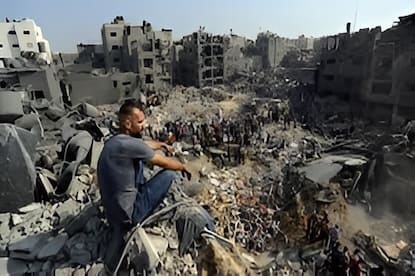
Most of the time, we think of food as nourishment, culture, or comfort. But in many parts of the world, food is also a source of tension, leverage, and control. Food conflict happens when people fight over food, when hunger fuels unrest, or when leaders turn food into a weapon—through blockades, discrimination, or deliberate neglect.
Food conflict is not just about riots over bread or protests when prices spike. It includes the slow, grinding way war destroys farms, cuts off markets, and forces families to flee as food refugees. It appears when one region hoards grain while another is pushed toward famine, or when policies protect exports and profits while communities at home queue for basic staples.
This page explores how food conflict arises, how it links to food shortages, inequality, and food justice, and how practical, local solutions—like water-smart micro-farms, agroforestry, and community projects supported by Crop Circle Farms, TreePlantation.com, and GrowingToGive.org—can help reduce the pressure that turns food into a battlefield.
What Is Meant by Food Conflict?
There is no single, official definition of food conflict, but the term usually points to three overlapping realities:
- Conflict about food: riots, protests, and unrest sparked by food price spikes, shortages, or sudden changes in subsidies and social protection.
- Conflict fueled by hunger: wars and civil conflicts in which extreme deprivation and hunger make people more vulnerable to recruitment, manipulation, or displacement.
- Food used as a weapon: deliberate strategies like sieges, blockades, burning fields, or denying aid—using hunger to pressure opponents or punish populations.
In each case, food is no longer just something people eat. It becomes part of the logic of power. Who eats, who starves, who decides what is planted and where—it all becomes contested.
How Food Conflicts Start: Key Drivers
Food conflicts rarely appear overnight. They usually grow out of deeper, long-standing pressures.
1. War, Occupation & Political Violence
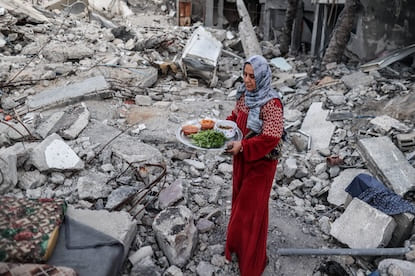
War destroys farms, irrigation systems, storage facilities, and roads. Fields go unplanted, livestock are stolen or killed, and markets become dangerous or impossible to reach. Ports and border crossings are blocked, making it hard to import or export food. Humanitarian convoys may be delayed, taxed, or attacked.
In some conflicts, food is explicitly weaponized:
- Cities are besieged until their populations run out of food.
- Water sources and irrigation canals are targeted.
- Food aid is restricted or diverted to supporters of those in power.
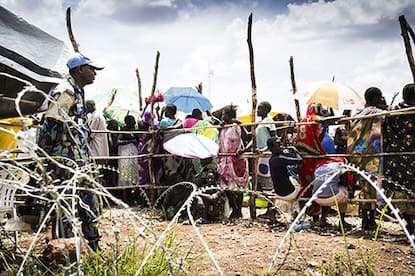
Families caught in the middle may be forced to flee, becoming internally displaced or crossing borders in search of safety and food, adding to the global number of food refugees.
2. Food Shortages, Price Spikes & Inequality
As explored on the Food Shortages page, climate shocks, supply chain breakdowns, export bans, and speculation can quickly reduce supplies or raise prices. When this happens in societies already marked by deep inequality, the result can be explosive.
When wealthier neighborhoods still have food while poorer ones empty out; when state officials are seen eating well while ordinary families queue for stale bread—anger and distrust grow. Protests over food prices have sparked government crises and regime changes in multiple countries. If authorities respond with repression or discriminatory policies, a food crisis can become a food conflict.
3. Land Grabs, Water Scarcity & Resource Competition
Another source of food conflict lies in who controls land and water. Large-scale land acquisitions, whether for plantations, export crops, or speculative investment, can displace small farmers and pastoralists. When communities lose access to land they have used for generations, they also lose their food and livelihoods.
As climate change intensifies droughts and floods, water scarcity becomes a flashpoint. Farmers, herders, urban neighborhoods, and industries may all compete for the same shrinking sources. Without fair agreements and strong governance, such tensions can turn into violence—especially where ethnic or religious divisions already exist.
4. Governance Failures & Corruption
Even when food supplies are adequate, corruption and weak institutions can turn stress into conflict. If emergency aid is diverted to political allies, if subsidized food programs are riddled with patronage, or if authorities ignore warnings from vulnerable regions, people lose trust. Rumors and misinformation fill the gap, and small incidents can quickly escalate.
Human Consequences of Food Conflict
The human costs of food conflict are heavy and long-lasting:
- Acute hunger and malnutrition: Children, pregnant women, the elderly, and people with chronic illnesses are hit hardest when food becomes scarce or unaffordable.
- Displacement: Families flee violence and search for safety and food elsewhere, often ending up in overcrowded camps or informal settlements.
- Lost livelihoods: Farmers, traders, small shop owners, and food workers see years of effort erased in a season of conflict.
- Broken social fabric: When people fight over food—or see food withheld along lines of class, ethnicity, or religion—trust between neighbors can fracture for generations.
Rebuilding after food conflict is about more than calories. It is about restoring land, livelihoods, and the relationships that make peaceful societies possible.
From Food Conflict to Food Security: The Role of Local Systems
Reducing the risk of food conflict is not only the job of diplomats and peace agreements. It also depends on how resilient local food systems are. Communities that can produce at least some of their own food—using water-smart, space-efficient methods—are less vulnerable to blockades, supply chain shocks, and political manipulation.
Water-Smart Micro-Farms: Crop Circle Farms & Gardens
Crop Circle Farms & Gardens, developed by New Leaf Technologies, are designed to grow serious amounts of food on small, scattered sites using:
- Circular, high-density layouts that increase plant count per square foot.
- Layered growing with trellised, mid-story, and ground-cover crops sharing the same footprint.
- Targeted irrigation that can cut water use by up to 80–90% versus conventional methods.
- Healthy soils built with compost, mulch, and reduced tillage to reduce reliance on expensive inputs.
In fragile or post-conflict regions, these systems can be deployed as:
- School and clinic gardens that provide fresh food and nutrition education.
- Neighborhood micro-farms that buffer families during supply disruptions.
- “Farm-in-a-Box” installations on church land, NGO sites, or community centers.
Using tools like the plant yield calculator and Crop Circle raised gardens, communities can plan what to grow and how many people each site can help feed—reducing dependence on distant, potentially contested supply routes.
Forests, Agroforestry & Long-Term Stability: TreePlantation.com
Food conflict is often rooted in degraded landscapes: eroded soils, dried-up wells, and deforested hillsides that can no longer support stable agriculture. Long-term tree planting and agroforestry, as promoted by TreePlantation.com, are a key part of reducing that vulnerability.
With planning tools such as the Tree Carbon Calculator, Tree Value Calculator, and Tree Spacing Calculator, communities and investors can design social-impact forests that:
- Protect watersheds and reduce drought and flood risk.
- Provide fruit, nuts, timber, and non-timber products over decades.
- Support agroforestry systems where trees and crops share the same land, stabilizing yields.
Healthy forests and agroforestry systems make it harder for shocks to push entire regions into scarcity—and they create livelihoods that make peace more attractive than conflict.
Growing To Give: Community Food Projects that Heal
Technology and trees matter, but so do relationships. Growing To Give, a registered 501(c)(3), specializes in placing water-smart gardens, Spiral Farms, and Crop Circle systems into real communities, with real partners.
Projects like the Arizona food desert initiatives, the Phoenix Urban Food Forest Initiative, and the Spiral Farm Project show how under-used urban and peri-urban land can be transformed into living classrooms, safe gathering spaces, and resilient food sources.
In places touched by conflict or deep division, shared gardens and food forests can become spaces of reconciliation—where former adversaries plant, harvest, and eat together. That is food conflict in reverse: using food not as a weapon, but as a bridge.
Food Conflict FAQs
What is food conflict?
Food conflict describes situations where access to food contributes to, results from, or is weaponized within violence and war. Examples include blockades that cut off food supplies, deliberate destruction of crops, looting of grain stores, or discriminatory policies that leave certain groups hungry while others are protected.
What causes food-related conflict?
Food-related conflict is usually driven by overlapping forces: war and occupation, climate shocks, deep social and economic inequality, corruption, and fragile supply chains. When people cannot access enough affordable food and feel excluded from decisions, tensions rise. If peaceful channels for change are blocked, protests, riots, or armed conflict become more likely.
How are food shortages and food conflict connected?
Food shortages can act as a spark in societies already under stress. Sudden spikes in food prices, empty shelves, or obvious favoritism in distribution can turn frustration into unrest. In some cases, authorities respond with repression or policies that target specific groups, turning a temporary shortage into a deeper food conflict with long-term consequences.
How can local food systems reduce the risk of food conflict?
Local, water-smart food systems reduce dependence on distant supply chains and political decisions beyond a community’s control. Micro-farms, community gardens, and agroforestry projects help people produce at least some of their own food, even during disruptions. Systems like Crop Circle Farms & Gardens, combined with long-term forestry from TreePlantation.com and community projects run by GrowingToGive.org, give communities more direct control over their food future—reducing the chance that scarcity can be used as a weapon.
Conclusion: Building Peace Into the Food System
Food conflict is not inevitable. It emerges when fragile systems, unequal power, and climate shocks meet unprepared communities. The same forces that turn food into a weapon can be reshaped into tools for peace: healthy soils, water-smart farms, social-impact forests, and community-led projects that share both risks and harvests.
By combining the technological innovations of New Leaf Technologies and Crop Circle Farms, the long-term landscape work of TreePlantation.com, and the community partnerships of Growing To Give, we can move toward food systems that are more local, more just, and more resilient. In such a world, food becomes less a cause of conflict and more a foundation for peace—shared tables instead of empty shelves, planted fields instead of battlegrounds.