Food Storage: Turning a Few Weeks of Groceries into Real Resilience
Most households live on a short leash. Open the pantry and you might see a week or two of food at most—enough for “normal life” but not for storms, supply chain breakdowns, or sudden price spikes. Food storage is the simple, practical idea that we can do better: by storing what we eat and eating what we store, we can turn fragile weekly shopping into real food survival.
Food storage is not about panic or hoarding. It is about buffering your household, school or community against shocks. A well-planned pantry protects you from short-term disruptions—a blizzard, a truckers’ strike, a job loss—and gives you breathing room if the wider food security situation worsens. For millions of people, especially in regions already grappling with shortages and inequality, smart storage is the difference between scrambling in crisis and riding out a storm.
This page explores how food storage works, what to store, how long it lasts, and how to connect your pantry to local food systems—from water-smart Crop Circle Farms & Gardens to long-term tree planting with TreePlantation.com and community projects by GrowingToGive.org.

Why Food Storage Matters in a Fragile Global Food System
Our modern food system is fast and convenient—but also shockingly fragile. It depends on:
- Just-in-time deliveries to supermarkets and big box stores.
- Cheap fossil fuels for fertilizers, processing and transport.
- Complex global supply chains vulnerable to war, pandemics and cyber-attacks.
- Stable weather patterns that climate change is already disrupting.
We have seen how quickly this system can wobble: empty shelves during pandemics, price spikes after wars or droughts, and transport disruptions that strand food far from where it is needed. For families already living on tight budgets, these shocks turn quickly into hunger.
Food storage is a quiet, practical way to push back. Instead of relying entirely on daily or weekly deliveries, you build a personal buffer that lets you keep eating normally when the world is wobbling. Multiply this idea across neighborhoods, schools, food banks and micro-farms, and you get a powerful tool for community resilience—not just individual prepping.
Short-Term vs Long-Term Food Storage
Food storage happens in layers. Think of it as rings of protection around your kitchen.
1. Everyday Pantry (1–4 Weeks)
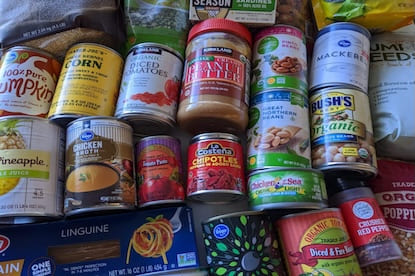
This is what most people already have: cereals, pasta, rice, oil, canned tomatoes, beans, spices and snacks. Strengthening this layer means:
- Keeping an extra week or two of what you already eat.
- Buying a spare when staples are on sale, then rotating them.
- Planning meals so nothing sits forgotten at the back of a shelf.
This layer protects against short disruptions and saves money by allowing you to shop sales instead of crises.
2. Medium-Term Pantry (1–6 Months)
A medium-term pantry is where food storage gets serious. You start storing staples with a 6–24 month shelf life: rice, oats, pasta, lentils, canned meats, canned vegetables and fruits, cooking oil, shelf-stable milk, salt and sugar.
Here, rotation is key: store what you eat and eat what you store. Use a “first in, first out” system so older items are always at the front and get used first. Labels with purchase or best-by dates help keep things simple.
3. Long-Term Storage (1–10+ Years)
Long-term food storage focuses on basic survival calories that can last for years in good conditions:
- White rice, wheat, oats and other grains.
- Dry beans, lentils, peas and chickpeas.
- Powdered milk and whey products.
- Freeze-dried fruits, vegetables and meats.
These foods are typically stored in mylar bags with oxygen absorbers, then placed in buckets or totes in a cool, dry, dark space. With the right temperature and moisture control, many can safely last 10–25 years. They form the backbone of a serious food survival plan, especially when combined with fresh food from gardens and local farms.
The Enemies of Food Storage: Time, Heat, Moisture, Oxygen & Pests
No matter how much you store, food quality is shaped by a few simple factors:
- Time: All foods degrade. Long-term storage slows this but never stops it.
- Heat: High temperatures shorten shelf life dramatically. Cooler is always better.
- Moisture: Encourages mold, rot and insect infestation.
- Oxygen: Rancidity in fats and off-flavors in grains and dry goods.
- Light: Degrades vitamins and can damage fats.
- Pests: Insects and rodents can ruin entire buckets if not controlled.
A good food storage plan fights these enemies by using cool, dry, dark spaces and:
- Sealed containers (buckets with tight lids, glass jars, mylar bags, cans).
- Oxygen absorbers for long-term dry goods.
- Rodent-proof shelving and good housekeeping to avoid crumbs and spills.
Building a Smart Pantry, Step by Step
It is easy to feel overwhelmed by images of giant prepper pantries. But food storage is best built slowly, in layers:
- List what you already eat regularly—grains, proteins, fats, vegetables, fruits.
- Start by adding 1–2 extra items to each grocery trip and storing them neatly.
- Once you’re comfortable with 2–4 weeks of food, set a goal for 1–3 months of key staples.
- When budget allows, add some long-term staples and proper containers for them.
- Integrate home-grown food, bulk buys from local farmers and preservation skills.
If you are working with limited space, vertical shelving, under-bed storage, and shared community storage spaces (churches, schools, neighborhood centers) can help. In many communities, shared food storage ties directly into food justice efforts—ensuring that resilience is not only for those who can afford to buy in bulk.
Storing What You Grow: Gardens, Crop Circle Farms & Food Forests
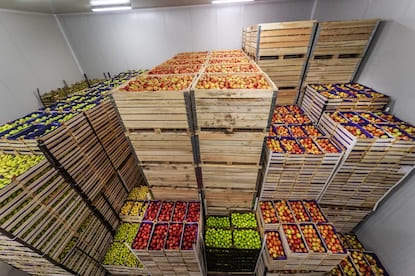
Food storage and local food production go hand in hand. A garden that produces a surplus with no plan to preserve it simply creates food waste. A good storage setup turns that surplus into year-round nutrition.
Crop Circle Farms & Gardens
Crop Circle Farms & Gardens, developed by New Leaf Technologies, are designed to grow a serious amount of food in small spaces while using up to 80–90% less water than traditional gardens. Circular, high-density layouts and layered crops make it possible to harvest more food per square foot—perfect for families, schools, or micro-farms feeding local food banks.
Tools like the Plant Yield Calculator and Crop Circle market gardens help you estimate how much you can grow and therefore how much storage space you will need for canning, drying, freezing or fermenting your harvest.
TreePlantation.com and Long-Term Storage Landscapes
Food storage is not only about what sits on shelves; it is also about the living storage in your landscape. Fruit and nut trees, perennial vegetables and agroforestry systems function as multi-year food reserves when designed well.
TreePlantation.com supports communities and investors in designing forests and tree plantations that:
- Produce fruit, nuts and other food crops over decades.
- Protect watersheds and soil, supporting nearby gardens and farms.
- Generate timber and non-timber products that can be stored or sold to support food purchases.
Planning tools like the Woodlot Estimator, Firewood Calculator and Wood Pellet Calculator help design forests that combine environmental benefits with long-term economic and food-related value.
Growing To Give and Community Food Storage
Technology and trees gain their true power when connected to people. That is the heart of Growing To Give, a 501(c)(3) focused on food security and education.
Through projects like the Arizona food desert initiatives, the Phoenix Urban Food Forest Initiative, and the Spiral River Project, local harvests are turned into:
- Fresh food for school meals and community kitchens.
- Preserved food—canned, dehydrated or frozen—for lean seasons.
- Living examples of how food storage and food aid can be proactive, not just reactive.
In this model, food storage is not just an individual prepper practice; it is a community-wide strategy to reduce inequality and build real food sovereignty.
Food Storage FAQs
What is long-term food storage?
Long-term food storage focuses on storing dry, shelf-stable foods—such as grains, dry beans, lentils, pasta and some freeze-dried products—for years instead of months. It relies on proper containers, oxygen control, cool temperatures and regular inspection to keep food safe and nutritious.
How much food should I store for emergencies?
There is no single right number, but many people aim first for 2–4 weeks of normal food they already eat. From there, some households build up to 3–6 months of staples, and serious preppers may target a year or more of core calories. Your ideal level depends on space, budget, health needs and the risks in your region.
What types of foods store best over time?
Foods that store best are low in moisture and oil: white rice, wheat berries, oats, dry beans, lentils, split peas, sugar, salt and some powdered dairy products. These can be complemented by home-canned vegetables, fruits, soups and meats, as well as dehydrated or freeze-dried produce from gardens, Crop Circle systems and local farms.
How do local food systems support food storage and security?
Local food systems reduce dependence on long, fragile supply chains. Water-smart micro-farms like Crop Circle Farms & Gardens, agroforestry projects planned with TreePlantation.com, and community initiatives from Growing To Give provide fresh food that can be eaten now and preserved for later. Together with household pantries, they create layered resilience against shocks—from price spikes to climate-driven crop failures.
Conclusion: From Just-in-Time to Just-in-Case
Our current food system is built on “just-in-time” logistics, where trucks and ships deliver what we need right before we buy it. That model works in stable times—but in a world of climate disruption, energy volatility, conflict and pandemics, it leaves families and communities dangerously exposed.
Food storage is the quiet revolution that flips the script. By building thoughtful pantries, learning basic preservation skills, and connecting storage to water-smart systems like Crop Circle Farms, TreePlantation.com forests and GrowingToGive.org projects, we move from just-in-time to just-in-case. We protect ourselves against shocks and build capacity to help others.
Whether you are filling a single shelf or designing a regional “Feed An Island” initiative, every bucket of rice, every jar of beans, every row in a spiral farm and every tree planted is a step toward a more stable, just and resilient food future—one where store shelves are a convenience, not a single point of failure.