Food Aid: The Lifeline Between Hunger and Hope
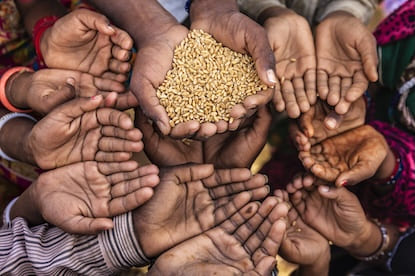
Around the world, millions of people eat today because someone, somewhere, sent help. A bag of grain carried off a truck. A hot meal for a child in a school feeding program. A digital voucher on a mobile phone that can be exchanged for rice and cooking oil in a local shop. All of these are forms of food aid—a lifeline that keeps families alive when conflict, climate disasters, or economic collapse have stripped away their ability to feed themselves.
Food aid sits at the intersection of food security, shortages, displacement, and inequality. Done well, it delivers life-saving calories with dignity, while also supporting local markets and laying foundations for recovery. Done poorly, it can distort prices, create dependencies, or arrive too late for those who need it most.
On this page we look at what modern food aid actually is, how it has changed in recent years, where it succeeds and where it struggles—and how we can re-imagine food aid as food solidarity, linking emergency relief with long-term resilience in communities on the front lines of the global food crisis.
What Do We Mean by Food Aid Today?
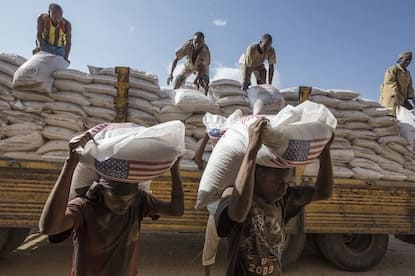
For decades, “food aid” conjured a familiar picture: ships loaded with grain sailing from rich countries to poorer ones, and trucks delivering sacks of wheat, corn or powdered milk to refugee camps. That kind of in-kind food aid still exists, but modern food assistance is much broader.
Today, food aid can include:
- Emergency in-kind rations distributed during wars, earthquakes, floods or droughts.
- Local and regional procurement, where agencies buy food from nearby farmers instead of shipping it across oceans.
- Cash transfers and digital vouchers that let families buy food in local markets.
- School meals that encourage attendance while providing vital nutrition to children.
- Specialized nutritious foods for pregnant women, infants and severely malnourished children.
- Safety-net programs that provide regular support to vulnerable households facing chronic food insecurity.
Organizations like the UN World Food Programme (WFP), national governments, local NGOs, faith-based groups and community initiatives all play a role. Together, they weave a patchwork safety net that catches people when they fall—especially in regions torn apart by conflict and climate shocks.
From Shipping Grain to Putting Cash in People’s Hands
One of the biggest shifts in the last two decades has been the move from shipping food across the world to using local markets whenever possible. In many crises, there is food in the region—but people have lost the income, livestock, or harvests that previously allowed them to buy it.
In those settings, cash transfers and vouchers can be more efficient and dignified than imported grain. They:
- Give families the power to choose foods that fit their culture and dietary needs.
- Support local traders instead of undercutting them.
- Reduce logistics costs and delivery times.
- Inject cash into struggling local economies.
Large agencies now talk about “cash-based transfers” rather than “food handouts” when local markets are functioning. In more remote or devastated areas where markets have collapsed, in-kind food aid remains essential. The art of modern food assistance is choosing the right tool for each situation—and knowing when to transition from one form to another.
Why Food Aid Is Still Essential in a Global Food Crisis
In an ideal world, no one would need food aid. Communities would have stable jobs, local food systems, diversified crops, and safety nets strong enough to catch people when disaster strikes. But we do not yet live in that world.
Today’s global food crisis is driven by overlapping forces:
- Armed conflicts that destroy farms, block trade routes, and weaponize hunger.
- Climate extremes—droughts, floods, and storms—that wipe out harvests and livestock.
- Economic shocks, debt crises and inflation that push basic foods beyond the reach of the poor.
- Pandemics and political instability that disrupt work, transport, and markets.
In places where these forces pile up, food aid is not a luxury; it is the thin line between life and death. It keeps children from sliding into severe malnutrition, stabilizes families on the move, and buys time for more durable solutions—like rebuilding farms, restoring soil and water, or creating jobs.
Many of the world’s refugees and internally displaced people survive on food assistance for months or years while conflict drags on or climate damage unfolds. For them, food aid is not a headline or a policy debate. It is dinner.
The Limits and Risks of Food Aid
At the same time, food aid is not a magic wand—and it can cause harm if it is poorly designed or politically manipulated.
- Market distortion: Flooding an area with free imported grain can undercut local farmers and traders, making it harder for them to recover once the immediate crisis passes.
- Dependency: If emergency food aid continues long after people could work or farm again, it can unintentionally discourage local livelihoods.
- Politics and control: Food aid can be withheld, diverted, or used to reward allies and punish opponents, deepening injustice and fueling resentment.
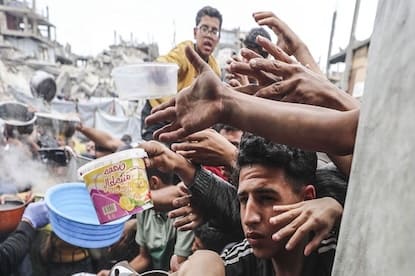
- Safety and dignity: Long food lines can expose women and children to harassment, theft or violence, especially in camp settings.
These risks do not mean we should abandon food aid. They mean we need to be smarter, more accountable and more locally grounded. The best programs treat food assistance as emergency scaffolding—essential in the moment, but always with an eye toward being removed once the structure is strong enough to stand on its own.
From Food Aid to Food Solidarity
A growing number of organizations and community leaders are re-imagining food aid as food solidarity. Instead of seeing people in crisis as passive recipients of charity, they are treated as partners, decision-makers and future leaders in rebuilding food systems.
Food solidarity:
- Respects local food cultures and preferences.
- Prioritizes buying food from local and regional farmers whenever possible.
- Supports women’s leadership in food distribution and decision-making.
- Links short-term aid to long-term investments in land, water, and livelihoods.
Some initiatives connect food aid directly with regenerative agriculture, urban farms, or school gardens. For example, a community may receive emergency rations in the short term, while also receiving training, tools and support to build neighborhood gardens or micro-farms that will later supply school meals or food boxes. In this way, the line between “aid” and “agency” begins to blur.
Local Examples: Food Aid Close to Home
Food aid is not only something that happens “over there.” In many wealthy countries, local food banks, pantries, community fridges and school meal programs are a domestic version of the same idea: making sure people eat when their income or housing has collapsed.
Organizations like Feeding America in the United States, and similar networks in other countries, coordinate donations from supermarkets, farmers, and manufacturers to supply front-line pantries. School districts use national lunch programs and local partnerships to keep children fed, sometimes extending service through summer holidays or during crises.
New community models are also emerging. Neighborhood “farm-to-pantry” initiatives connect urban gardens and micro-farms directly to local food shelves. In island or coastal communities facing high import costs, projects like the Feed An Island approach focus on installing small-footprint farms and teaching residents to grow more of their own food while still using targeted food aid when necessary.
These examples blur the line between emergency assistance and local food systems—exactly the kind of integration needed to move from one-off charity toward lasting food security.
Linking Food Aid to Long-Term Food Security
Ultimately, food aid should always be connected to a larger strategy for long-term food security. That means:
- Investing in climate-smart agriculture so that future harvests are more resilient.
- Supporting smallholder farmers with seeds, tools, credit and market access.
- Strengthening local storage and food reserves to bridge bad seasons.
- Building safety nets, such as public works programs or guaranteed minimum incomes.
- Reducing food waste so that more of what is grown actually feeds people.
International agencies like the FAO emergencies division and WFP increasingly talk about “linking relief, rehabilitation and development” (sometimes called the “triple nexus”). The idea is simple: the same communities who receive food aid today should be the ones who shape and benefit from investments in agriculture, education, and infrastructure tomorrow.
When this works, food aid becomes a bridge—not a trap. It carries people from the chaos of crisis to the stability of being able to grow, buy and share their own food again.
What Can You Do to Support Better Food Aid?
It is easy to feel powerless when you read about famines, refugee camps, or children going to bed hungry. But individuals and local groups can play a meaningful role in making food aid more effective, just and sustainable.
- Choose organizations carefully. Support groups with transparent reporting and a track record of working with local partners—not just dropping in during emergencies.
- Back both emergency and long-term efforts. Give to organizations that provide immediate food assistance and also invest in agriculture, education, and livelihoods.
- Volunteer locally. Food banks, community kitchens, and school backpack programs often need hands as much as money.
- Connect local growers to aid channels. Help build links between your community gardens, farmers’ markets or micro-farms and local pantries or shelters.
- Reduce your own food waste. Wasting less food at home frees up resources and aligns your life with the values behind food solidarity.
Food aid should never be the only answer, but when combined with smart local action and policy change, it can be part of a powerful push toward a more just and resilient food system.
Food Aid FAQs
What is food aid?
Food aid is assistance given to people who cannot meet their basic food needs because of crisis or chronic poverty. It can take the form of in-kind food distributions, locally purchased food, school meals, specialized nutrition products, cash transfers, or vouchers that allow families to buy food in local markets.
What types of food assistance exist today?
Modern food assistance includes emergency rations during disasters, school feeding programs, supplementary foods for pregnant women and young children, vouchers and digital coupons for use in shops, cash transfers to buy food locally, and safety-net programs that provide regular support to vulnerable households. Many responses mix several of these tools to match local conditions.
Does food aid create dependency?
Food aid can create problems if it continues unchanged long after people could safely return to work or farming, or if it undercuts local producers. But when it is targeted, time-bound, and connected to investments in livelihoods, land, water and jobs, food aid acts as a bridge—not a long-term substitute for local food systems.
How can I support ethical and effective food aid?
You can donate to organizations with strong local partnerships and transparent reporting, volunteer with food banks and community kitchens in your area, reduce your own food waste, and support initiatives that connect local growers and micro-farms to food pantries and school meals. You can also advocate for policies that tackle the root causes of hunger, including conflict, climate change and extreme inequality.
Conclusion: Beyond Aid Toward Shared Security
Food aid will remain essential as long as wars are fought, storms grow more violent, and economies fail. But the ultimate goal is not to perfect the art of emergency rations. It is to build a world where fewer people need them—where communities have the land, water, skills, and resources they need to feed themselves, and where solidarity flows not only in times of disaster but every day.
Moving from charity to shared security means seeing every food parcel, voucher or school meal as part of a bigger story: one in which those most affected by hunger lead the way in designing more just and resilient food systems. Until that story is fully written, food aid remains one of the clearest expressions of our common responsibility to one another—and one of the most urgent tools we have to keep hunger from turning crisis into catastrophe.