Food Inequality: The Unfair Geography of Hunger and Health
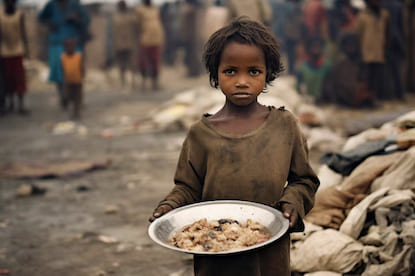
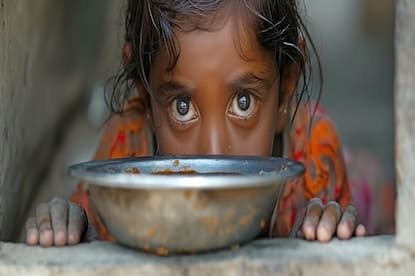
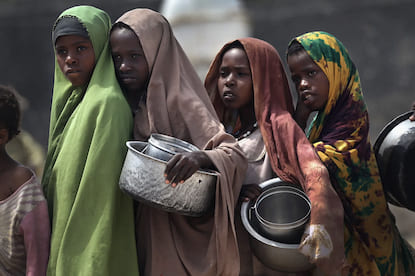
In theory, we live on a planet that grows enough food to nourish everyone. In reality, what ends up on your plate depends heavily on your postcode, paycheck, race, and passport. That gap between what is possible and what actually happens is known as food inequality.
Food inequality shows up when some neighborhoods are packed with supermarkets and fresh produce, while others— often just a few miles away—are ringed by fast food and corner stores, with no affordable fruits and vegetables in sight. It shows up when one country exports premium crops for cash while many of its own children go to bed hungry. It shows up in the difference between communities that can weather price spikes and climate shocks, and communities that cannot.
On this page we explore what food inequality is, where it comes from, how it connects to food shortages, food justice, food conflict and food refugees, and how practical solutions—like water-smart Crop Circle Farms & Gardens, long-term agroforestry from TreePlantation.com, and community work by GrowingToGive.org— can help close the gap.
What Is Food Inequality?
Food inequality is the uneven access to safe, nutritious, culturally appropriate food between different people and places. It is not just about individual choices or tastes; it is about systems and structures that make healthy food easy for some and hard—sometimes nearly impossible—for others.
You see food inequality when:
- High-income neighborhoods have multiple supermarkets and farmers’ markets, while low-income areas are “food deserts” or “food swamps.”
- Indigenous and rural communities must travel hours for basic groceries while exporting crops overseas.
- Families working multiple jobs rely on cheap, ultra-processed food because fresh options are too far or too expensive.
- Certain ethnic and racial groups consistently face much higher rates of food insecurity than others.
Food inequality is not accidental. It is the result of historical and current policies, market decisions, and power imbalances that shape land use, wages, housing, transport, and agriculture.
The Roots of Food Inequality
Food inequality rarely has a single cause. It grows out of several overlapping forces that reinforce one another.
1. Income Gaps and the Cost of Healthy Food
Healthy diets built on fruits, vegetables, whole grains, legumes, and quality protein often cost more up front than ultra-processed calories. For households living paycheck to paycheck, the question isn’t “What is best for long-term health?” but “What will fill everyone up tonight for the lowest price?”
When wages stagnate while housing, energy, and healthcare costs rise, food is often where families cut corners. They may eat enough calories to avoid outright hunger, but still suffer from hidden hunger: diets low in key vitamins, minerals, and fiber. Over time, this drives higher rates of diabetes, heart disease, and other diet-related illnesses—especially in low-income communities.
2. Geography, Transport and “Food Deserts”
Food inequality is also built into the geography of cities and towns. Some neighborhoods were shaped by decades of redlining, disinvestment, and zoning that allowed liquor stores and fast food but blocked supermarkets and fresh markets. Residents without cars may face long, expensive journeys just to buy basics.
These areas are often labeled food deserts, but many advocates now use the term food apartheid to emphasize that the pattern is not natural—it is the result of policy choices and discrimination. Either way, geography becomes destiny: your address largely determines your default food environment.
3. Race, History and Structural Discrimination
In many countries, food inequality follows lines of race, caste, ethnicity, or tribe. Historic land dispossession, segregation, and unequal access to credit and jobs mean that communities of color are more likely to be poor, live in under-served neighborhoods, and face discrimination in employment and housing.
When these patterns persist over generations, they show up clearly in maps of diet-related disease, life expectancy, and food justice. Food inequality is one of the ways that larger social injustices appear in our bodies.
4. Global Trade, Climate Shocks and Food Prices
At the global level, food inequality is tied to trade rules, export priorities, and climate impacts. Countries may devote prime land and water to export crops—coffee, cocoa, flowers, high-value fruits—while importing staples like wheat and rice. When global prices spike or supply chains break, millions of people are suddenly exposed to shortages and price shocks.
Climate change intensifies this risk. Droughts, floods, and heat waves do not hit every region equally. Farmers in vulnerable areas may see repeat crop failures, pushing them toward poverty and turning them into food refugees. Meanwhile, wealthier regions with irrigation, insurance, and subsidies are better positioned to cope. The result: a widening gap between who can adapt and who can’t.
Food Inequality, Health and Human Potential
Food inequality is not only about hunger today; it is about health across a lifetime. Children who grow up without reliable access to nutritious food are more likely to experience stunted growth, difficulty concentrating, and poorer school performance. Adults in food-insecure households often juggle multiple stressors that make it difficult to prioritize healthy eating, even when they know what would be best.
Over decades, food inequality contributes to:
- Higher rates of obesity and malnutrition side by side.
- Increased risk of chronic diseases like hypertension and diabetes.
- Lost productivity and earnings from illness.
- Intergenerational cycles of poverty and poor health.
Breaking these cycles requires more than advice to “eat better.” It requires changing the environments and systems that make unhealthy choices the default option for millions of people.
From Food Inequality to Food Justice: Why Local Systems Matter
National policies, trade rules, and global climate action are all critical—but some of the most practical solutions to food inequality start close to home. Local, water-smart food systems put production and control back into the hands of communities that have been left out or pushed aside.
Crop Circle Farms & Gardens: Dense Nutrition in Small Spaces
Crop Circle Farms & Gardens, developed by New Leaf Technologies, are designed to grow serious amounts of food in small spaces using:
- High-density circular layouts that maximize plant count per square foot.
- Layered growing (trellised, mid-story and ground-cover crops sharing the same footprint).
- Water-smart irrigation that can cut water use by up to 80–90% compared to conventional methods.
- Healthy soils built with compost and mulches instead of relying on expensive inputs.
In under-served neighborhoods—urban food deserts, island communities, or rural villages—these systems can be installed on church land, school grounds, clinic sites, or micro-farms. Tools like the Plant Yield Calculator and Crop Circle raised gardens help communities plan what to grow and how many people each site can help feed.
When healthy food is grown inside the neighborhood, rather than trucked in from far away, food inequality starts to shrink. Residents gain fresh produce, skills, and sometimes income and jobs as well.
TreePlantation.com: Long-Term Stability Through Trees and Agroforestry
Food inequality is also tied to land, water, and climate. Communities whose landscapes are degraded—eroded soil, deforested hillsides, dried-up springs—are far more vulnerable to future shocks. Rebuilding those landscapes is a long-term strategy to reduce inequality.
TreePlantation.com supports the design of social-impact forests and agroforestry systems that:
- Protect watersheds that villages and cities depend on.
- Provide fruit, nuts, fuelwood and timber over decades.
- Integrate food crops and trees in the same space, stabilizing yields.
Planning tools such as the Tree Carbon Calculator, Tree Value Calculator and Tree Spacing Calculator make it easier for communities, NGOs and impact investors to design forests that generate both ecological and economic benefits in places that have been left behind.
Growing To Give: People-Centered Food Justice
Technology and trees are powerful, but people and relationships are what ultimately shift food inequality toward food justice. That is the focus of Growing To Give, a 501(c)(3) that partners with schools, churches, neighborhood groups and local governments to install water-smart gardens, Spiral Farms, and Crop Circle systems where they are needed most.
Through projects like the Arizona food desert initiatives, the Phoenix Urban Food Forest Initiative, and the Spiral Farm Project, Growing To Give demonstrates how:
- Under-used land can become living classrooms and fresh food sources.
- Kids and families learn to grow, cook and share healthy food.
- Harvests can support school meals, food boxes, and neighborhood markets.
When people who have been treated as “recipients” become producers and leaders in their own food systems, food inequality begins to give way to food dignity.
Food Inequality FAQs
What is food inequality?
Food inequality is the unequal access to affordable, nutritious, culturally appropriate food between different people and places. It shows up when some neighborhoods are rich in supermarkets, farmers’ markets and fresh produce while others are dominated by fast food and convenience stores, with long and costly trips required to buy basics.
What causes food inequality?
Food inequality is driven by income gaps, historic redlining and racism, zoning and transport decisions that limit where supermarkets are built, global trade rules that prioritize exports, and climate change that damages crops in already vulnerable regions. These forces combine to create food deserts and food apartheid where healthy food is scarce or unaffordable.
How is food inequality different from food insecurity?
Food insecurity describes whether a given household has enough food. Food inequality looks at the larger pattern: which groups and regions are consistently more likely to be food insecure and why. It focuses on the structural barriers—like low wages, discrimination, and poor infrastructure—that make some communities more vulnerable than others.
How can local food systems reduce food inequality?
Local food systems bring production closer to the people who need it most. Water-smart micro-farms and gardens, like Crop Circle Farms & Gardens, combined with agroforestry and reforestation from TreePlantation.com and community-led projects from GrowingToGive.org, create fresh, affordable food in under-served neighborhoods. They also build skills, jobs and local ownership, which are essential for long-term food justice.
Conclusion: Closing the Distance Between Hunger and Plenty
Food inequality is the distance between the world we have and the world we could have. On one side of town, shelves overflow; on the other, parents skip meals so their children can eat. One country exports gourmet products to global markets; another struggles to secure basic staples for its people. These are not separate stories—they are two sides of the same system.
Closing that distance will require changes in policy, investment, and culture. It will mean listening to the communities most affected, shifting subsidies and incentives, and treating access to healthy food as a basic human right rather than a luxury.
By combining the innovations of New Leaf Technologies and Crop Circle Farms, the long-term landscape planning tools of TreePlantation.com, and the people-centered work of Growing To Give, we can move toward food systems that are more local, more just, and more resilient. In that future, your postcode will no longer decide what you eat—and food inequality will be something we remember, not something we live.